Inflammatory bowel disease
Inflammatory bowel disease affects millions of people around the world, but for many the unpredictable flare-ups, the hunt for an accurate diagnosis and the search for an effective treatment can be a daunting and exhausting process.
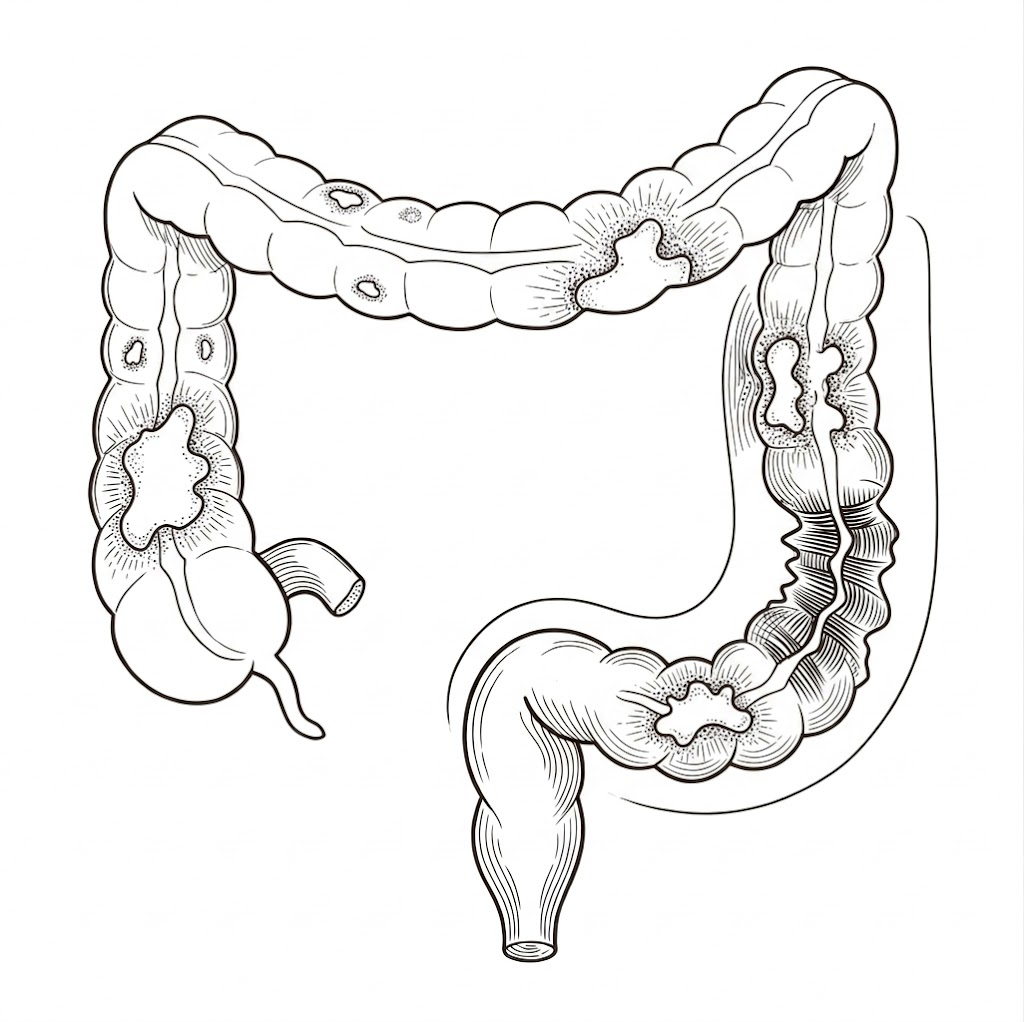
Inflammatory bowel disease (IBD) is an umbrella term used to describe conditions that cause chronic inflammation of the digestive tract. Unlike functional conditions, where the gut just doesn’t work right, researchers know that IBD is caused by an overactive and malfunctioning immune system. The immune system mistakes food, good bacteria or other materials in the gastrointestinal tract for foreign invaders and attacks the cells of the bowels. The immune response leads to chronic inflammation that causes visible tissue damage, ulcers and scarring.
It affects 1% of the population in industrialised countries around the world and the incidence is increasing worldwide. The exact cause is a complex interplay of genetics, environmental triggers and the gut microbiome and there is currently no cure, despite it being a well-studied area of gastroenterology.
Symptoms
There are two main types of IBD, depending on where the inflammation occurs in the digestive system: Crohn’s disease and Ulcerative Colitis. Knowing which type you have is critical as the long term monitoring, surgical risks and complications are different between the two.
- Ulcerative Colitis (UC): This disease causes ongoing inflammation and sores (ulcers) in the innermost lining of your large intestine (colon) and rectum. The inflammation is usually continuous with no healthy patches in between.
- Crohn’s disease: This type can cause inflammation anywhere in the digestive tract from the mouth to the anus. It often penetrates deep into the layers of the affected bowel tissue and may be seen in 'skip lesions' that is, patches of diseased tissue right next to healthy tissue.
Both types often cause severe abdominal pain and cramping. Other important symptoms are persistent diarrhea (often bloody), unexplained weight loss, fever and profound fatigue. Symptoms often flare and then go into periods of remission. IBD is an autoimmune-driven disease, so it can also cause systemic issues outside the gut, including joint pain, eye inflammation and skin rashes.
Who does it affect?
IBD can develop in anybody but some risk factors make it more likely. IBD is most often diagnosed in people between the ages of 15 and 30, with another smaller spike in diagnoses in people in their 50s and 60s. A family history of the condition is one of the strongest risk factors. The risk is also higher if you live in an industrialised country or in an urban setting, suggesting environmental factors such as heavily processed diets, pollution or hygiene.
Diagnosis
Physicians cannot diagnose IBD on symptoms alone and need objective evidence of inflammation and tissue damage. If the gastroenterologist suspects IBD, they’ll run a combination of tests.
- Blood tests will check for infection, anaemia (from blood loss) or markers of inflammation.
- Stool tests, especially for a marker called faecal calprotectin, are very good at identifying gut inflammation and discriminating IBD from non-inflammatory conditions like irritable bowel syndrome.
- Endoscopic procedures such as colonoscopy or upper endoscopy are the gold standard for confirming the diagnosis, visualising the extent of damage, and taking tissue biopsies.
- CT scans or specialised MRIs (enterography) are also used to examine this region because endoscopes have difficulty accessing the small intestine.
Treatment
No cure exists for IBD, but symptoms are treatable and can be managed. The treatment is very individualised depending on the severity of the disease, the part of GI tract involved and the patient response.
Food & Lifestyle
Diet does not cause IBD, but some foods can make symptoms much worse during a flare-up. When active inflammation is present, doctors will often suggest a low-residue diet, which means you cut back on high-fibre foods, nuts, seeds and raw vegetables to give the bowel a rest. Dairy, spicy foods and too much sugar can also trigger symptoms. IBD can damage the intestines’ ability to absorb nutrients, so malnutrition is a major risk. A key part of care is working with a GI dietitian who specialises in your condition to ensure you get enough vitamins (B12, iron, vitamin D, etc.) and to consider nutritional supplements.
Medication
Medication is the main treatment for IBD. The idea is to suppress the abnormal inflammatory response. In mild cases, aminosalicylates (5-ASAs) may help to reduce inflammation in the lining of the bowel. Short bursts of corticosteroids (like prednisone) are often used to get severe flare-ups under control quickly, but are not for long-term use because of side effects.
The introduction of immunomodulators and biologic therapies has transformed the management of moderate to severe IBD . Biologics (like anti-TNF medications) are special proteins given as injections or IVs that block specific inflammatory proteins in the immune system, preventing inflammation at a cellular level before it can harm the gut.
Surgery
Unlike functional bowel disorders, IBD may result in serious and permanent structural damage. If the medications are not effective or if complications occur, such as bowel obstructions, fistulas or heavy bleeding, surgery is needed. Up to 70% of patients with Crohn’s disease and 30% of patients with Ulcerative Colitis will require some form of surgery at some point in their disease course such as a bowel resection or the temporary/permanent creation of a stoma (ostomy).
Advances
The IBD treatment landscape is changing quickly. One of the big areas of focus for scientists is personalised medicine identifying blood or genetic biomarkers to predict precisely which biologic drug a given patient will respond to, bypassing the “trial and error” phase of treatment. There is also a boom in small-molecule oral drugs (such as JAK inhibitors) that deliver the targeted potency of biologics in an easy-to-swallow daily pill. Stem cell therapy is being investigated further for the treatment of complex perianal fistulas in Crohns disease. Clinical trials continue to explore the potential of manipulating the gut microbiome with specific diets and faecal microbiota transplantation to change the course of disease.
Seeking help
IBD is a serious, lifelong disease and you should never ignore worsening symptoms. Chronic inflammation eventually causes damage to the cells of the colon . People with IBD are at higher risk of developing colorectal cancer and need to have regular surveillance colonoscopies .
Today, the right combination of medical therapy, nutritional support and regular specialist care enables most people with IBD to achieve remission and lead full active lives.
Dr Pratap is a gastroenterologist who specialises in IBD. You can submit a referral or new patient form on the referral page or reach out to his practice on 07 3063 1273.