IBD and IBS
Inflammatory Bowel Disease and Irritable Bowel Syndrome are two different medical conditions.
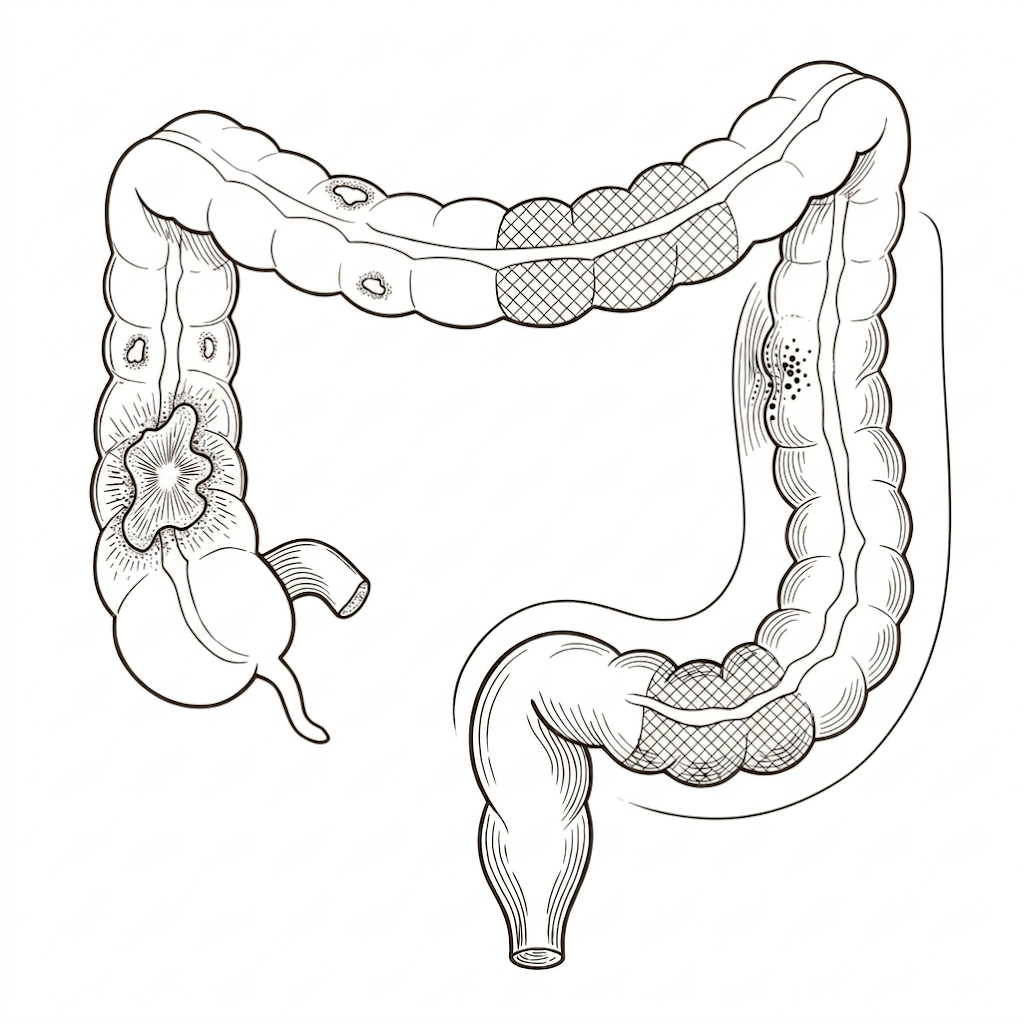
The key difference is how they impact the gastrointestinal tract: Inflammatory Bowel Disease is a structural, inflammatory disease while Irritable Bowel Syndrome is a functional disorder.
Inflammatory Bowel Disease (IBD) is a general term for Crohn’s disease and Ulcerative Colitis. It is an autoimmune disorder in which the body’s immune system attacks the lining of the intestines by mistake. This ongoing attack causes obvious, permanent damage: chronic inflammation, bleeding ulcers and tissue scarring. Symptoms often include extreme fatigue, unintended weight loss, severe abdominal pain and bloody diarrhoea. Because of the physical damage it causes, IBD has a higher risk of serious complications such as colon cancer, and often requires aggressive medical treatments such as immunosuppressants, biologics or even surgery to remove damaged parts of the bowel.
Irritable Bowel Syndrome (IBS) does not, however, cause any physical damage or inflammation that can be seen in the gut. Rather, it is a disorder of gut-brain interaction. The nerves and muscles in the digestive tract become very sensitive and do not work together properly. So food moves through too quickly causing diarrhoea or too slowly causing constipation. Common symptoms include bloating, gas and cramping, usually relieved by a bowel movement. IBS does not increase the risk of gastrointestinal cancers because there is no structural damage. Treatment is primarily symptomatic and consists of diet modifications (eg. low-FODMAP diet), stress reduction, and medications to alter bowel motility.
IBS disrupts the function of the gut without damaging it; IBD actually damages the tissues of the digestive tract due to chronic immune-mediated inflammation.
Dr Pratap is a gastroenterologist who consults patients for the diagnosis and treatment of conditions related to IBD and IBS. You can submit a referral or new patient form on the referral page or reach out to his practice on 07 3063 1273.