What is a gastroenterolgist?
Gastroenterologists are a specialist doctor who focuses on the digestive system.
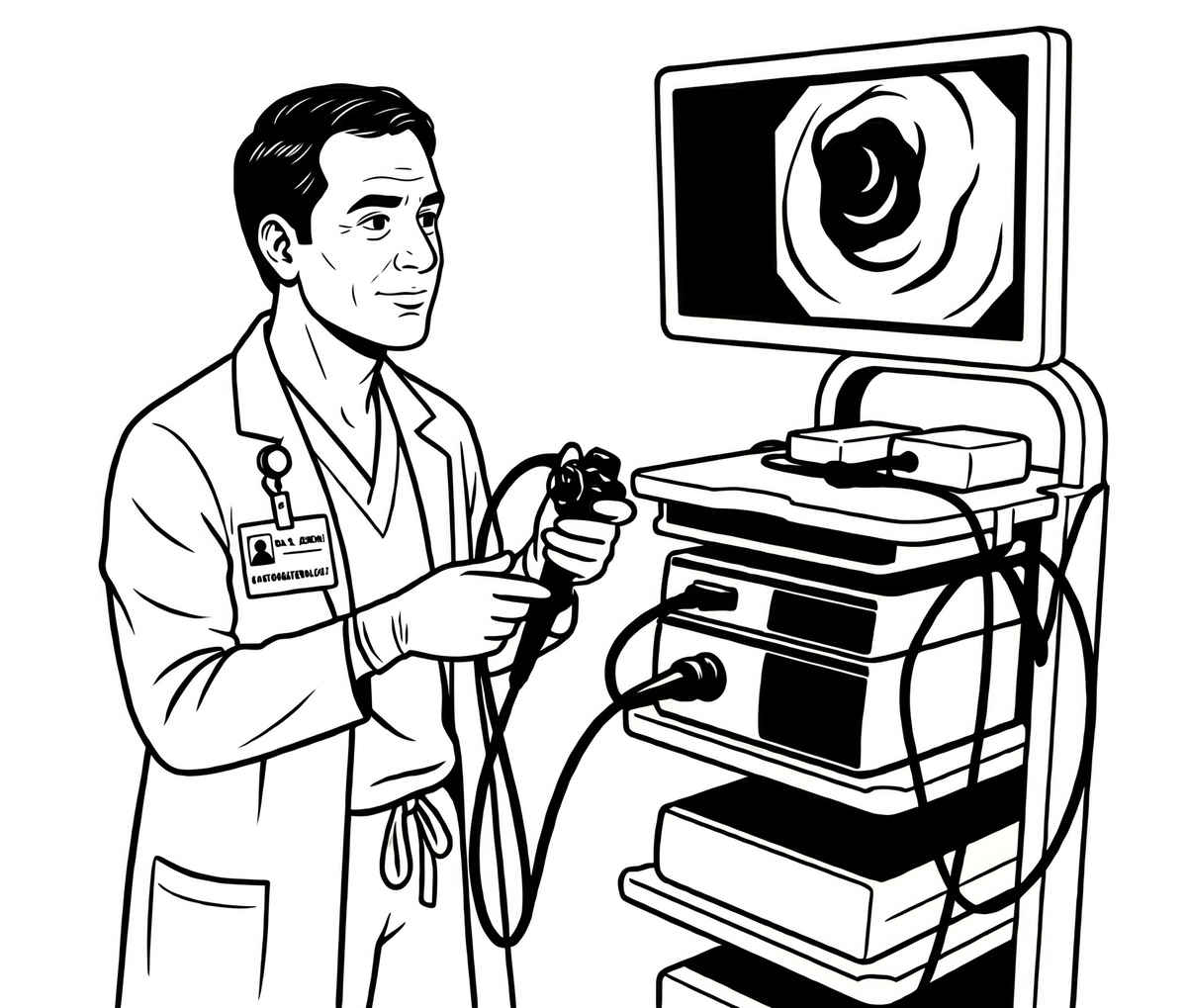
This includes everything from the oesophagus and stomach through to the small intestine, large bowel, and rectum, as well as the liver, gallbladder, and pancreas. Specialists in gastroenterology complete several years of additional training beyond their general medical degree before practising independently. Find out more about Dr Pratap.
In Australia, gastroenterologists work in both public hospitals and private practice. In the private setting, they typically see patients by referral from a GP and consult at private hospitals where procedures such as colonoscopy and gastroscopy are performed.
What conditions do gastroenterologists treat
The digestive system is complex, and the range of conditions a gastroenterologist manages is broad. Some of the most common include:
- Gastro-oesophageal reflux disease (GORD) — chronic acid reflux that goes beyond occasional heartburn and may require investigation or ongoing management
- Irritable bowel syndrome (IBS) — a functional condition causing abdominal pain, bloating, and altered bowel habits that can significantly affect quality of life
- Inflammatory bowel disease (IBD) — including Crohn's disease and ulcerative colitis, both of which involve inflammation of the digestive tract and require specialist oversight
- Coeliac disease — an autoimmune condition triggered by gluten that is diagnosed through blood tests and confirmed by endoscopic biopsy
- Colorectal cancer and polyps — gastroenterologists perform colonoscopies to detect and remove polyps before they become cancerous, and to investigate symptoms that may indicate bowel cancer
- Lactose intolerance and food intolerances — when dietary triggers are unclear or symptoms persist despite dietary changes
- Gastroparesis — a condition where the stomach empties too slowly, causing nausea, bloating, and discomfort
- Liver and pancreatic conditions — including fatty liver disease, hepatitis, and pancreatitis
When should you see a gastroenterologist?
Many digestive symptoms are short-lived and resolve on their own. But there are signs that warrant a conversation with your GP about a specialist referral. These include:
Persistent or unexplained symptoms
Abdominal pain, bloating, nausea, or changes in your bowel habits that have lasted more than a few weeks and have no clear cause deserve investigation rather than ongoing self-management.
Rectal bleeding
Blood in the stool or on toilet paper should always be assessed by a doctor. While it is often caused by something benign such as haemorrhoids or a small fissure, it can also be an early sign of bowel cancer and should not be dismissed.
Reflux that is not responding to medication
If over-the-counter antacids or GP-prescribed medication are not controlling your symptoms, or if you are experiencing difficulty swallowing, a gastroscopy may be needed to assess the oesophagus.
Unexplained weight loss or anaemia
These can be indicators of an underlying gastrointestinal condition and generally require further investigation.
A family history of bowel cancer
If a first-degree relative has been diagnosed with colorectal cancer, you may need to begin colonoscopy screening earlier than the general population — a gastroenterologist can advise on the right timing and frequency.
How do you get a referral
In Australia, you will need a referral from your GP to see a gastroenterologist in private practice. If you have any of the symptoms described above, speak with your GP at your next appointment. A referral allows your GP and specialist to work together, ensuring your care is coordinated and that your full medical history is taken into account.
Dr Pratap is a gastroenterologist who consults patients for the diagnosis and treatment of conditions related to gastrointestinal tract. You can submit a referral or new patient form on the referral page or reach out to his practice on 07 3063 1273.