Bowel Cancer
Bowel cancer is one of the most common and deadly cancers in Australia, but it is also one of the easiest to avoid if caught early.
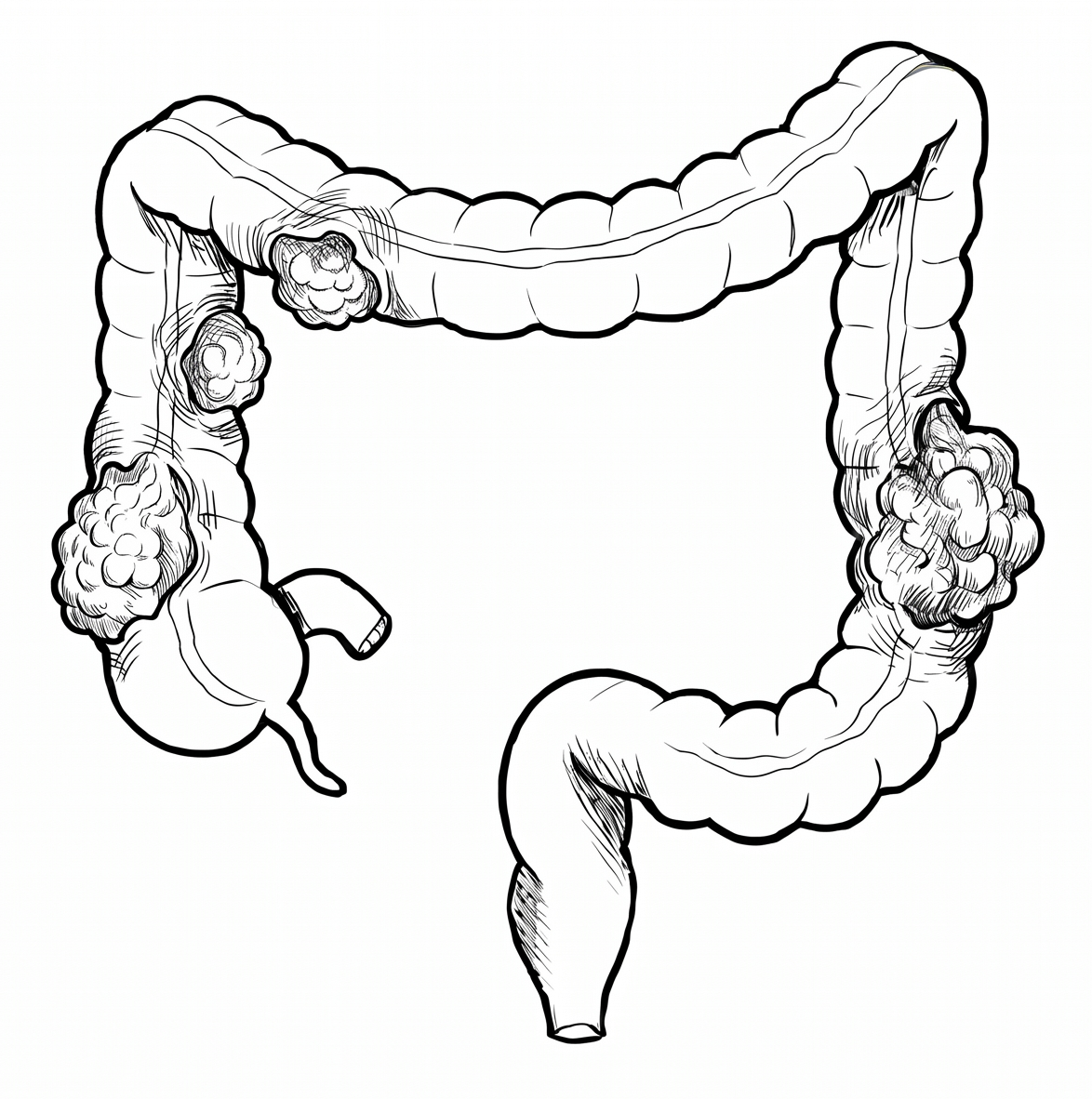
Knowing the warning signs of bowel cancer and how the national screening programme works is about preventive medicine.
Australia's screening programme
The National Bowel Cancer Screening Programme (NBCSP) is Australia's main tool for finding bowel cancer early. It has been going on since 2006 and is free and funded by the government. The programme uses an immunochemical faecal occult blood test (iFOBT), which is also known as a FIT. This test looks for tiny amounts of blood in stool samples that can not be seen. This could be an early sign of bowel cancer or growths that could become cancerous.
What Does the Test Do?
You can do the iFOBT kit at home without having to make any special preparations or change your diet. You have to collect two small stool samples on different days, put them in labelled collection tubes, and then send them back to the lab in a reply-paid envelope. You usually get your results in about two weeks.
A negative result means that no blood was found. You do not need to do anything else until your next test in two years, but you should still see your doctor if you have any symptoms in the meantime.
If the test is positive, it means that blood was found. This does not mean you have cancer right away. Blood in the stool can be caused by a number of things, such as haemorrhoids or polyps. However, it does mean you need to see your doctor right away for more tests, which usually include a colonoscopy.
Signs & symptoms
Bowel cancer can grow without any signs, which is why screening is so important. But when symptoms do show up, they might be:
- Bleeding from the rectum or blood in the stool
- A long-lasting change in bowel habits, like diarrhoea, constipation, or the feeling that you have not fully emptied your bowels
- Pain in the stomach, cramps, or swelling
- Weight loss that can not be explained
- Unusual tiredness or weakness, which could mean you have anaemia
If you have any of these symptoms, do not wait for your next screening test. Go see your doctor right away. No matter how old you are, you should always look into your symptoms.
Risk factors
Anyone can get bowel cancer, but some things make it more likely that you will:
- Age: The risk goes up a lot after age 45.
- Family history: If you have a close relative who has bowel cancer, your risk goes up.
- Personal history: Having had bowel polyps or inflammatory bowel disease (like Crohn's disease or ulcerative colitis) in the past
- Lifestyle factors: Eating a lot of red or processed meat and not enough whole grains and fibre, not exercising, smoking, and drinking a lot of alcohol all raise the risk.
- Being overweight or obese
Talk to your doctor about whether you should get screened earlier or more often if you have a strong family history or known genetic risk factors.
Reducing risk
Along with regular screenings, making some changes to your lifestyle can greatly lower your risk of getting bowel cancer. Eating a lot of fruits, vegetables, and whole grains, cutting back on red and processed meat, keeping a healthy weight, staying active, and not smoking or drinking too much alcohol are all things you can do to stay healthy. Making small, long-lasting changes to your daily habits can lower your risk of getting cancer in the future.
Dr Pratap consults and treats You can reach out to his practice on 07 3063 1273 or submit a referral or new patient form on the referral page and his practice will reach out to you.