Colonoscopy
A colonoscopy is a procedure gastroenterologists use to investigate the colon (large intestine) and rectum.
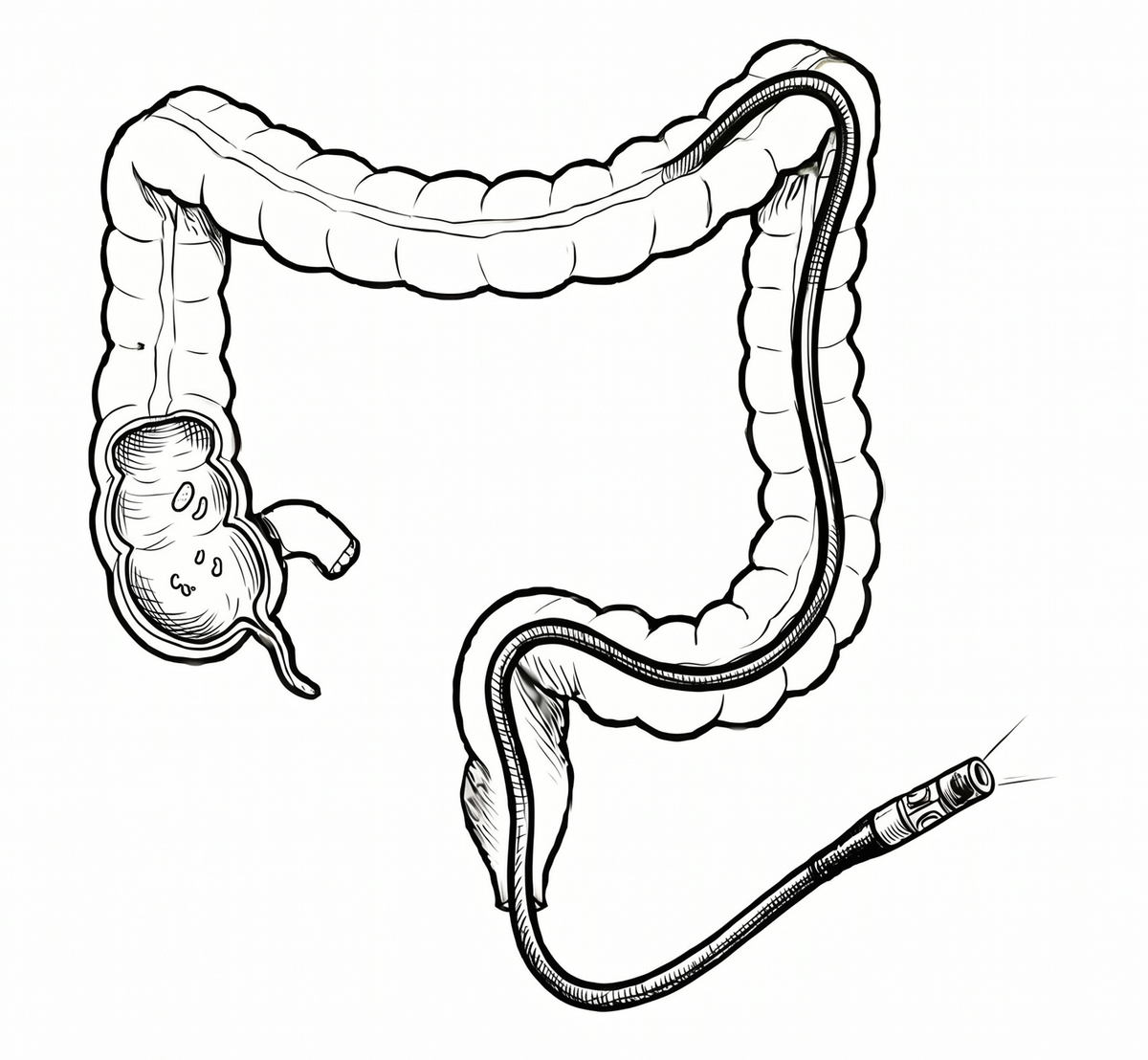
A colonoscope is a long, thin, flexible tube with a light and camera on it that the doctor uses to look at the area. This test is the best way to find colorectal cancer, and it is the only one that can both find the cancer and treat it. If polyps are found, they can usually be taken out right away. Polyps are abnormal tissue growths.
Stopping colorectal cancer is much easier when it is found early. People who are 45 years old or older or who have a family history of colorectal cancer should get colonoscopies on a regular basis.
Important Things to Do Before the Procedure
Getting ready for the colonoscopy is very important for it to go well, even if it is inconvenient. If the bowel is clean, the doctor can look at the lining of the colon more closely. If the bowel is not ready, the procedure may have to be done again.
Changes to what you eat
Before the procedure, patients should eat a diet low in fibre for two to three days. This means you should not eat seeds, nuts, or vegetables that are high in fibre, like lettuce and celery. The day before the colonoscopy, you can only drink clear liquids. This includes clear juices, plain jelly, water, and clear broth. Do not drink alcohol or drinks that are red, blue, or purple.
Getting the bowel ready
Patients will prepare their bowels by taking a strong laxative solution like MOVIPREP or PLENVU, which is sometimes mixed with MOVICOL for a longer period of time. The exact instructions change depending on whether the procedure is in the morning or the afternoon. You usually take the laxative in two doses: one before bed the night before the procedure and the other the next morning. It hurts, but you need to finish all of the preparation. If side effects keep you from finishing, call your doctor.
Health Problems and Drugs
Tell your doctor about all the vitamins, supplements, and medicines you take, especially blood thinners. Do not stop taking blood thinners without first talking to your doctor. While you are on these drugs, some procedures can be done safely. People with diabetes should talk to their doctor about how to take care of their condition because fasting and getting ready for a bowel movement can change how well their blood sugar is controlled. You may also need to stop taking some medicines, such as GLP-1 receptor agonists (like Ozempic) and SGLT-2 inhibitors (like Jardiance), before the procedure.
Getting Things Ready
After the colonoscopy, patients will not be able to drive because they will be sedated. Make sure that an adult who is responsible can take you to and from the facility. The appointment usually lasts two to three hours. On the day of the procedure, wear clothes that are loose and comfortable.
During
When patients arrive, they check in, put on a hospital gown, and get an IV line for painkillers and sedatives. There are two kinds of anaesthesia: general anaesthesia, which puts the patient to sleep completely, and conscious sedation, which keeps the patient awake but relaxed. The healthcare team will talk about the best way to put you to sleep.
After being sedated, the patient lies on their side while the doctor carefully inserts the colonoscope into the rectum and moves it through the colon. The scope has a light, a camera, the ability to blow air into the body, and tools for moving tissue around. The scope looks at the colon both when it is put in and when it is taken out.
The process usually takes 15 to 30 minutes, but it can take longer if polyps are found. About 30% of regular colonoscopies find polyps. Most polyps are not dangerous, but the usual thing to do is to take them out right away and send tissue samples to a lab for testing. Colonoscopy can not only help you figure out what is wrong, but it can also help keep precancerous lesions from getting worse.
After
After the procedure, patients are kept in a recovery room for 30 to 60 minutes until the effects of the sedation wear off. Air that gets in during the test can make you feel bloated, crampy, or gassy, but this usually goes away in a few hours. Walking can help with pain.
When patients leave the hospital, doctors may give them preliminary results, but patients may be tired and have trouble remembering things. Having someone with you is the best way to remember things.
You can usually eat again the next day, but you should start with light, easy-to-digest foods like lean meats, whole grains, and plain soups. At first, you should not eat foods that are heavy or spicy.
Using the bathroom
The first bowel movement after the procedure is normal one to two days later. You might notice some light bleeding, especially if you had polyps taken out. You should call your doctor right away if you are bleeding a lot, have blood clots, severe abdominal pain, or a fever.
Results
Your doctor will tell you if the colonoscopy results are normal. Depending on your age and other risk factors, the time between colonoscopies can be as long as ten years. It usually takes a few days to two weeks to get the results of pathology tests on polyps that have been removed or biopsied. Your doctor will give you more advice based on these results.
Dr Pratap consults and performs colonoscopies for the diagnosis and treatment of conditions and disease related to the gastrointestinal tract. You can reach out to his practice on 07 3063 1273 or submit a referral or new patient form on the referral page.