Diverticular Disease
Understanding diverticulosis, diverticulitis, and management
Diverticular disease refers to conditions caused by small pouches (called diverticula) that form in the wall of the colon (large intestine), most commonly in the lower section (sigmoid colon).[3]
- Diverticulosis: having these pouches without inflammation or symptoms. Very common, especially in people over 50. Most people with diverticulosis have no symptoms at all.[3]
- Diverticulitis: when one or more pouches become inflamed or infected. Can come on suddenly and may cause serious complications.
- Diverticular bleeding: a pouch ruptures and causes rectal bleeding, which can occasionally be significant.
Symptoms
Diverticulosis (no inflammation)
Most people have no symptoms. Some experience:
- Bloating
- Constipation or diarrhoea
- Cramping or pain in the lower abdomen
These symptoms may also be caused by other conditions (such as IBS); see your doctor for a proper diagnosis.
Diverticulitis (inflammation)
- Constant pain in the lower left abdomen (occasionally lower right)
- Fever, nausea, and vomiting
- Changes in bowel habits
- Abdominal tenderness when pressed
Diverticular bleeding
Usually causes sudden, painless bright red blood from the rectum. Even a small amount of rectal bleeding should be assessed by a doctor promptly.
Complications
Potential complications include:[1,2]
- Abscess: a painful, pus-filled pocket of infection
- Fistula: an abnormal tunnel between the colon and another organ (e.g. bladder, vagina)
- Intestinal obstruction: partial or total blockage of the bowel
- Perforation: a hole in the colon wall leading to peritonitis (abdominal cavity infection). This is a medical emergency.
Causes and risk factors
Factors believed to increase risk include:[1,3]
- A diet low in fibre and high in red meat
- Lack of physical activity
- Obesity
- Smoking
- Certain medications: NSAIDs (ibuprofen, aspirin) and steroids
Researchers are also studying the roles of gut bacteria changes, the immune system, and problems with connective tissue or muscles in the colon wall.
Diagnosis
Diagnosis involves:[1,2]
- Full medical history and physical examination (including pressing on the abdomen and a digital rectal exam)
- Blood tests: to check for infection or inflammation
- CT scan: the most useful test for diagnosing diverticulitis and its complications
- Colonoscopy: performed once inflammation has settled, to assess the extent of diverticulosis
Treatment
For chronic diverticulosis symptoms
- Increase dietary fibre (see below)
- A short course of antibiotics if recommended[4]
For diverticulitis without complications
Antibiotic use for uncomplicated diverticulitis is increasingly selective; your doctor will advise based on your situation.[1,4]
- Clear liquid diet for a short period to rest the bowel, then gradual return to solid foods
- Pain relief: paracetamol (acetaminophen) is preferred. Avoid NSAIDs as they may worsen complications.
Hospitalisation is needed for severe diverticulitis, complications, or people at high risk.
For complications
- Abscess: drained using a needle guided by imaging, or treated with IV antibiotics
- Fistula or obstruction: usually requires surgery to remove the affected section of colon
- Diverticular bleeding: may stop on its own; if not, colonoscopy or surgery may be needed
Surgery
Removal of the affected colon section (colectomy or colon resection) may be recommended to stop a complication or prevent recurrence of diverticulitis. Whether surgery is right for you depends on your clinical history and your surgeon's assessment.
Diet
Research shows that a low-fibre, high-red-meat diet increases the risk of diverticulitis. A high-fibre diet reduces this risk. The recommended daily intake is 28 grams of fibre per day.[5]
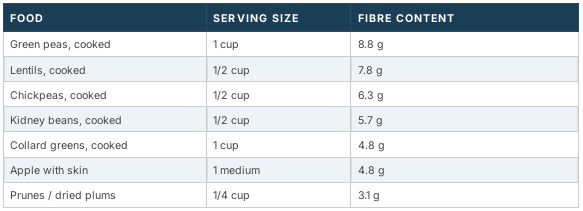
Do I need to avoid certain foods? Outdated advice to avoid nuts, seeds, and popcorn is not supported by current research. Most people with diverticulosis do not need to avoid specific foods. Talk with your doctor about what is right for your situation. |
Reducing risk
- Eat a high-fibre diet and reduce red meat
- Exercise regularly
- Maintain a healthy weight
- Do not smoke, or seek help to quit
- Discuss your medications with your doctor
Resources
- Gastroenterological Society of Australia (GESA): www.gesa.org.au - Find a gastroenterologist and clinical resources for diverticular disease
- Bowel Cancer Australia: 1800 555 494 | www.bowelcanceraustralia.org - Bowel health resources including diet and lifestyle information
- Dietitians Australia: www.dietitiansaustralia.org.au - Find an Accredited Practising Dietitian for high-fibre dietary advice
- Healthdirect Australia: 1800 022 222 | www.healthdirect.gov.au - Free 24/7 health advice; call if you have acute abdominal pain or rectal bleeding
References
- Stollman N, et al. (2015). American Gastroenterological Association guideline on the management of acute diverticulitis. Gastroenterology, 149(7), 1944-1949.
- Gastroenterological Society of Australia (GESA). (2023). Diverticular disease management guidelines.https://www.gesa.org.au
- Peery AF, et al. (2018). Distribution and characteristics of colonic diverticula in a United States screening population. Clinical Gastroenterology and Hepatology, 14(7), 980-985.
- Unlu C, et al. (2012). A multicenter randomized clinical trial investigating the cost-effectiveness of treatment strategies with or without antibiotics for uncomplicated acute diverticulitis. BMC Surgery, 10, 23.
- National Health and Medical Research Council (NHMRC). (2013). Australian Dietary Guidelines.https://www.eatforhealth.gov.au
About the author
Dr Krishan Pratap is a Brisbane gastroenterologist and hepatologist with subspecialty expertise in inflammatory bowel disease. He completed an Advanced IBD Fellowship at McMaster University Hospital in Canada and has clinical experience in gastroenterology, hepatology, endoscopy and intestinal ultrasound.
You can reach out to his practice on 07 3063 1273 or submit a referral or new patient form on the referral page and his practice will reach out to you.